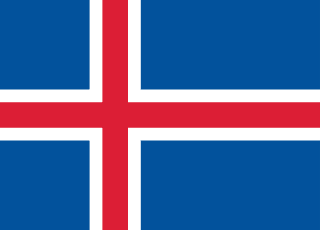
Iceland
🇮🇸 Northern Europe
How Iceland ranks globally
About Iceland
Iceland is a country in Northern Europe, with Reykjavik as its capital. It is home to roughly 392.4 thousand people, giving a population density of about 4 people per square kilometre. The country covers 103,000 km² of land and has no shared land borders. Its economy is valued at approximately $38.58B in nominal GDP (2025), and it records a Human Development Index of 0.972. The official currency is the Icelandic króna (ISK), and the main language is Icelandic.
Key indicators
💹 Economy
👥 People
🌍 Quality of Life
GDP over time
How Iceland measures up
Did you know?
Iceland is the 171st most populous country in the world, with about 392.4 thousand people.
By land area it is the 106th-largest country in the world, covering 103,000 km².
It has the world's 104th-largest economy by nominal GDP ($38.58B).
Iceland has no land borders with other countries.
It is classed by the UN as a country of very high human development, with an HDI of 0.972.
Iceland has a population density of about 4 people per square kilometre.
Quick quiz — do you know Iceland?
What is the capital of Iceland?
Travel & practical
Some links are affiliate links — we may earn a commission at no cost to you.
More countries in Europe


Explore more: all countries · all comparisons